
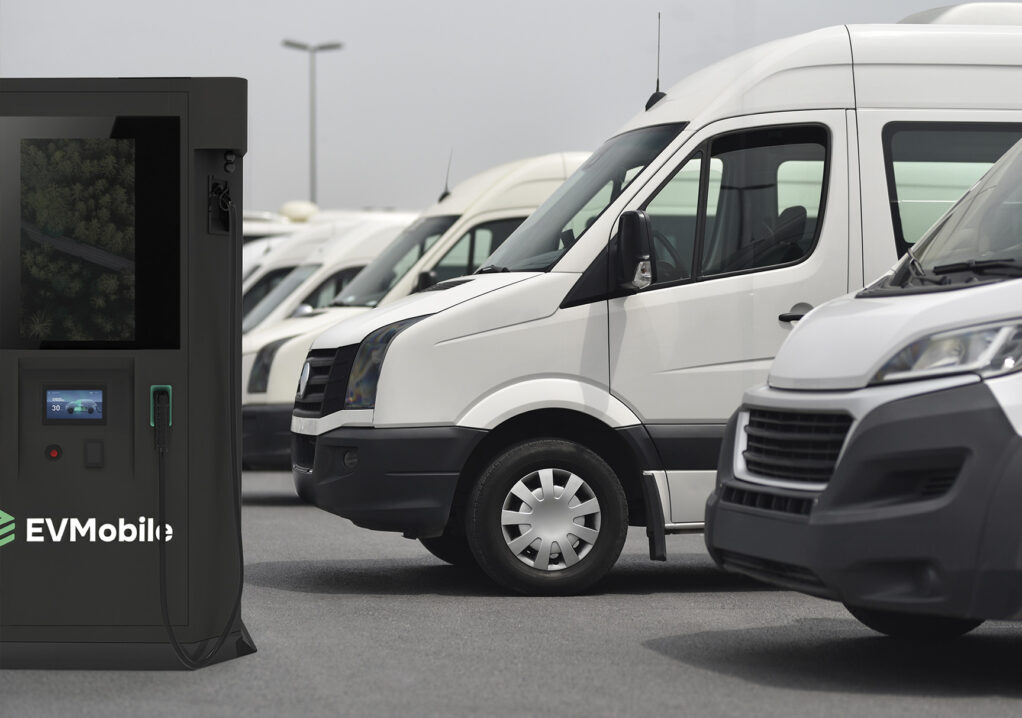
Charging Services for Municipalities Without Years of Waiting.
Electric mobility is a key component of municipalities’ climate and vitality objectives. In practice, charging demand often grows faster than infrastructure and investments can keep pace. EV Mobile enables the implementation of an efficient high-power charging service without substantial investments, providing municipalities with a desired method to meet current needs.

Charging Demand Already Exists
As electric vehicle use becomes more widespread, charging is no longer a future concern but an essential everyday service. Residents, businesses, tourists, and municipal fleets require functional charging now – especially fast charging, which ensures smooth mobility and regional accessibility.
However, implementation is delayed in many municipalities because:
- the electricity grid capacity is insufficient for high-power charging
- grid upgrades take years and require significant investments
- investment decisions are difficult to make before demand is certain
Without an effective charging service, electric mobility will not develop as desired, and strategic goals cannot be implemented.
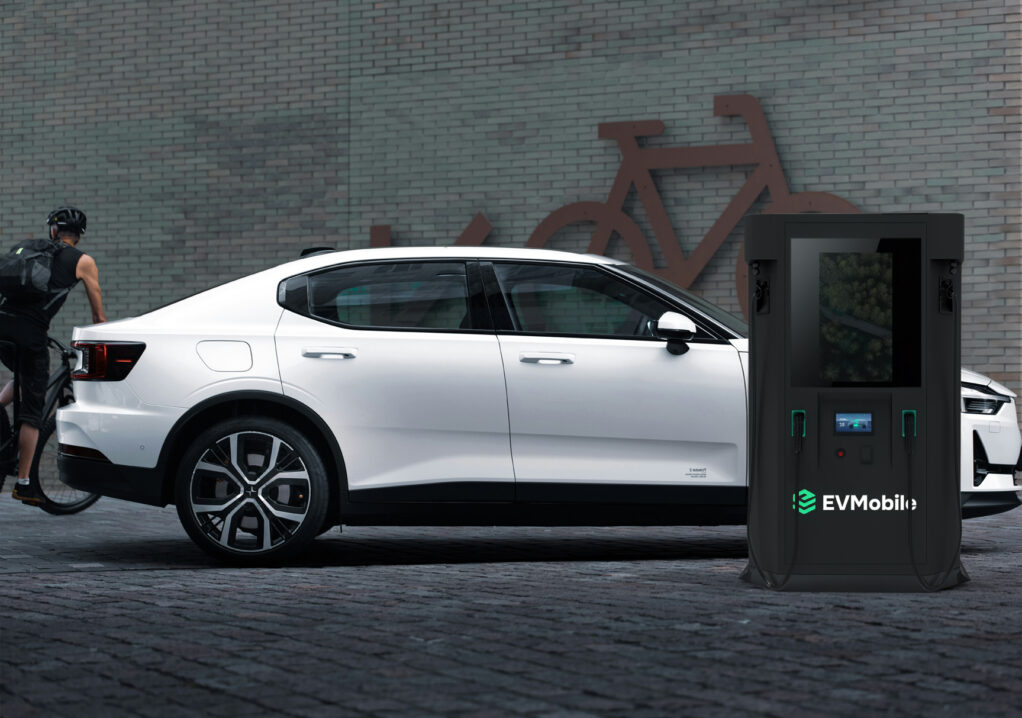
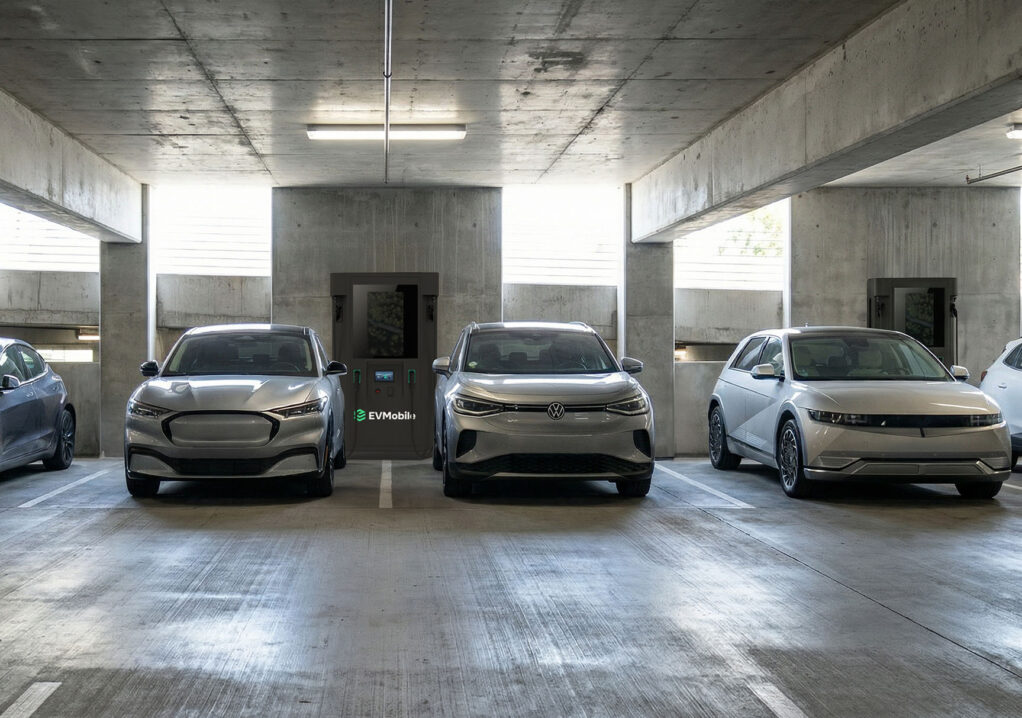
Climate Goals and Infrastructure Do Not Align
In municipalities, charging infrastructure is guided by climate and vitality objectives, as well as national and EU-level regulations, such as the Charging Point Act and the AFIR regulation. At the same time, decision-making must be economically sustainable and predictable.
EV Mobile allows for the gradual launch of charging services. Capacity does not need to be built all at once to meet peak demand; instead, the solution is scaled based on actual usage and expanded as needs grow.
This reduces investment risk and supports municipal decision-making in situations where demand develops incrementally.
Fast Charging as Part of Vitality and Accessibility
Effective fast charging supports a municipality’s vitality and accessibility. Charging points are located at transport hubs, city centers, and tourist destinations, where their impact extends beyond mere charging.
The charging service serves:
- the municipality’s own maintenance and service vehicles
- residents and commuters
- businesses and the economy
- visitors and tourism
EV Mobile brings charging into use in a way that supports municipal development without infrastructure limitations hindering progress.

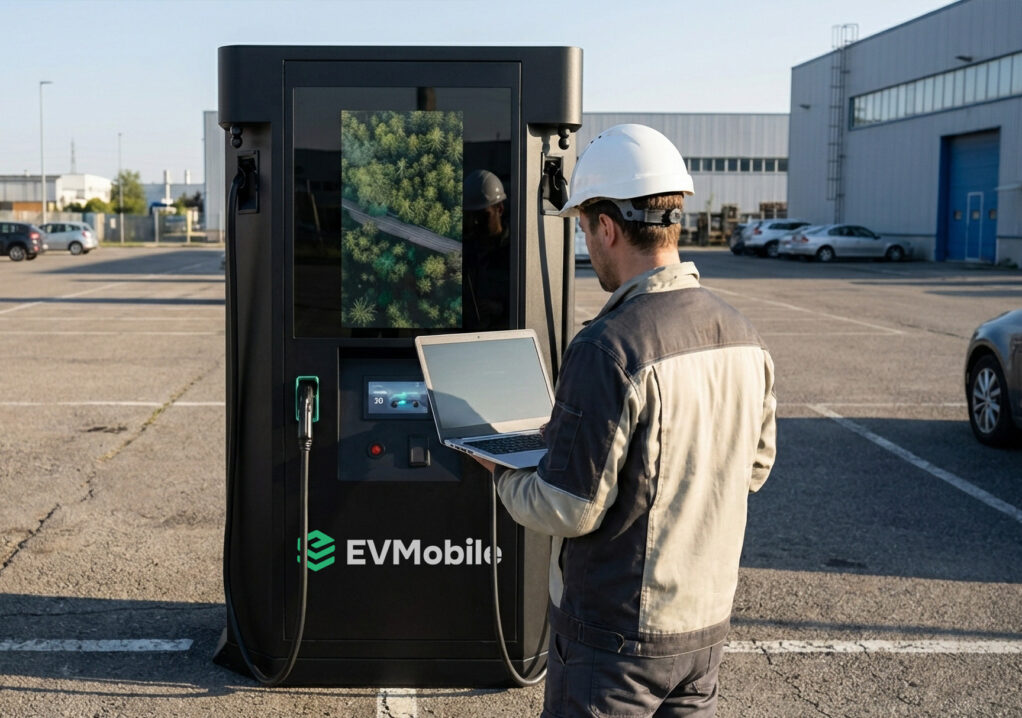
Clear Division of Responsibilities and Predictable Costs
For municipalities, charging is not just a technical issue, but also an operational and financial responsibility. We deliver the solution as a service model, where responsibility for functionality, monitoring, and maintenance is clearly defined.
The service model offers predictable costs, continuous monitoring, reporting, and maintenance, as well as a clear division of responsibilities without the burden of technical upkeep.
The service model supports managed decision-making and reduces investment risk as charging demand evolves.
Frequently Asked Questions
Yes, especially when charging demand already exists, but grid capacity or the investment roadmap limits deployment. The solution enables a controlled, phased approach without heavy investments.
The solution can be scaled conservatively and expanded only as demand grows. This reduces investment risk.
No. Battery-buffered charging also integrates with broader infrastructure and supports load management in the future.
EV Mobile is responsible for the solution’s functionality, monitoring, and maintenance according to the agreed service model.